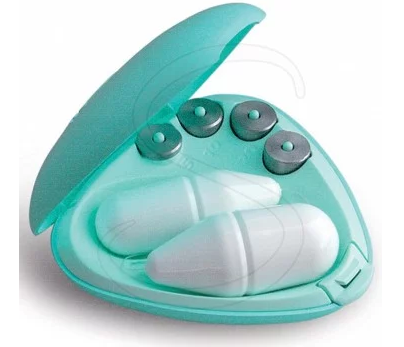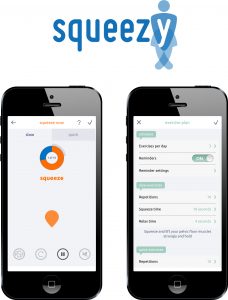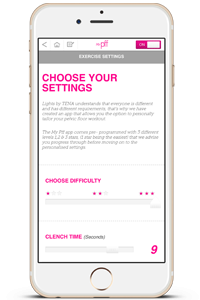
Field Guide: Pelvic floor muscle biofeedback gadgets and devices

Field Guide: pelvic floor biofeedback gadgets

There has been a recent explosion in “fem-tech” options, particularly pelvic floor biofeedback devices. On the one hand this is empowering women to improve their exercising in the privacy of their own homes, on the other hand resulting in a more than a little confusion about what they do.  With most devices over £100 it is important to spend your money wisely.

Pelvic floor Biofeedback devices

Generally, we advise that if you can already contract your pelvic floor muscles then you don’t need to do passive pelvic floor muscle stimulation. Your muscles will develop quicker by doing ‘active’ exercises where the brain initiates the activity rather than a machine. Check out the videos on our Pelvic Floor School.

However, if you WANT to work with a gadget to do active exercises, a biofeedback device can enhance your practice. Particularly, if you need to work on your brain skills (co-ordination, multi-tasking, downtraining) as much as your isolated muscle strength & endurance (which they can be helpful for too).

How to they work?

  • The action of your muscles contracting is relayed to a machine which “shows” you what you are doing.  There are several different ways this can be done.
    • Some machines pick up the electrical signal from your muscles while some respond to pressure.  
    • Some give you a visual picture of what you are doing,
    • others beep or vibrate in response to your contraction.
  • Biofeedback devices are great to correctly identify your pelvic floor muscles in different positions. They also ensure you are contracting correctly and also help you focus on relaxing fully between contractions
  • These gadgests let you see how well your muscles contract and relax.
  • They give targets to aim for to improve strength, endurance and co-ordination.
  • Practice more complicated tasks. Skills you need for real life or your sport.
  • Make exercising a bit more fun (!) and interesting. This will help you to keep up long-term practice (rather like a piece of gym-kit for your pelvic floor!)

Examples of pelvic floor biofeedback devices:

To be professional, I do not recommend a single specific product or supplier. But I have aimed to narrow down the list of options for  you.  Please do read customer reviews to help you make your decision. Specialist physiotherapists, like myself, have units in clinic for you to try before you buy.

Electrical biofeedback devices: with connecting wires

Peritone EMG biofeedback unit and Simplex EMG biofeedback unit are  the ones we have used in our clinic for many years (same device in different packaging).  Many physiotherapy departments have these for you to use at your visit and/or to borrow. Just like French women train in their postnatal rehabiliation sessions.

They are effectively two parts.  You place a small internal electrode (called a Periform, which is single person use,  into the vagina. Then put your clothes back on!. Then link your internal device by a cable to the handheld Pelvitone or Simplex unit (we can loan one of these to you).  

When you contract your pelvic floor muscles their electrical activity registers on the screen. This makes the  lights change from orange to green and gives an audible beep.  

You can practice your quick maximum power squeezes seeing how high you can make the lights go. Also, practice keeping the lights green while you cough or try moving your arms or legs. There is also a work/rest function which ‘counts’ the endurance holds for you and tells you your average squeeze score at the end.

These devices are widely available from lots of online sellers +/- £160 (including the Periform).

Pelvic floor training devices: which connect via bluetooth to a phone app

Elvie Trainer

Elvie for pelvic floor biofeedback

Elvie  £169

The Elvie updates the design of the traditional units above. It is popular as it has modern smart phone visuals, easy charting & a sense of community amongst users.  

I have one I can show you in clinic but the internal device (the pebble) is the expensive part, and understandably single use only, so I’m afraid you can’t try before you buy.

It is a discreet, attractive, wireless bluetooth pebble-shaped device. This goes inside the vagina. Use an app to turn your phone into the biofeedback monitor/exercise tracker.  No cables between you and the phone but you can’t put knickers back on or the bluetooth can’t connect. It is beautifully packaged and well designed by women. It can be used in the second trimester of pregnancy but is not recommended for the 1st and 3rd trimesters.

Elvie is officially available “on prescription” but sadly, I don’t know anyone whose managed to get one this way.

Pericoach System
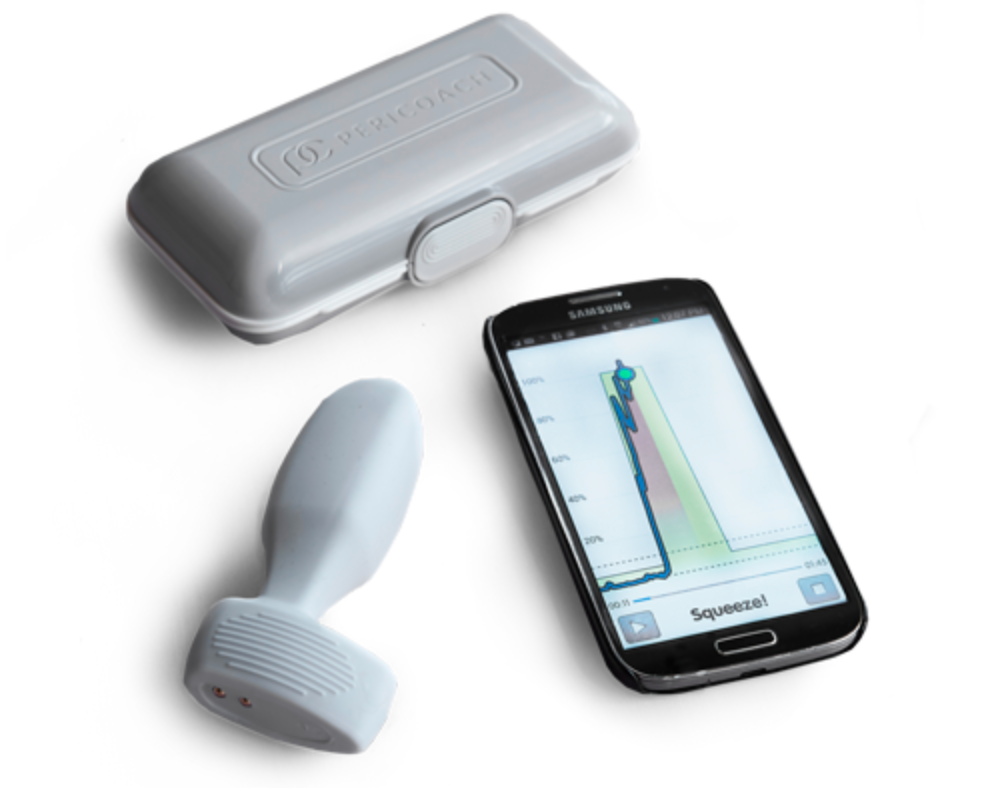
Pericoach System for pelvic floor biofeedback with a phone app which can also connect to your physiotherapist

Pericoach System £145

Pericoach System shows your pelvic floor contractions as clear graphs on your phone. Pre-set programmes guide you to practice exercises twice daily and, like the Elvie, uses algorythms to automatically progress you as you improve your skills. You can give you physiotherapist access to your data so that she can guide you virtually.

Pelvifly/K-Goal
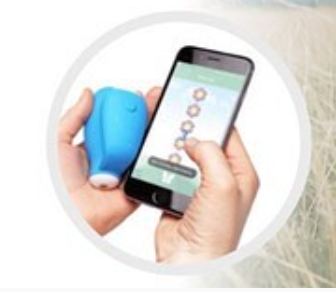
Pelvifly is a package connecting the K Goal pressure sensor to a phone app for sensitive imaginative  pelvic floor biofeedback with sophisticated integration to a remote physiotherapist if required

Pelvifly £189 with basic plan. Subscription for full integration with a physiotherapy coach.

Pelvifly is a package connecting the K Goal pressure sensor to a phone app for sensitive imaginative biofeedback games with sophisticated integration to a remote physiotherapist if required

The largest of the internal probes, which will suit those who find more petite devices fall out too easily. It responds to the pressure of your pelvic floor squeezes. This is particularly useful for those who need to learn to relax the pelvic floor (called downtraining). Pelvifly offers the greatest variety of challenges with innovative vibrant visuals – including butterflies visiting flowers, rockets flying through tunnels, basketballs into hoops and an engaging octopus!

The BASIC plan (no further cost after purchase) sends you a muscle test once a month and daily challenges. With a SMART subscription (£24/month) you will have more programs to follow to suit your chosen goals. Pelvifly are rapidly expanding their telehealth services. With a CARE package (£96/month) you will be connected, virtually, to a Pelvicoach (a specialist physiotherapist) who can interact remotely to set up bespoke assessment and training programmes, support your progress, exchange messages and save and print your progress reports.

Pressure Biofeedback devices

kegel8 trainer for pelvic floor biofeedback uses a pressure system

Kegel 8 Biofeedback Pelvic Trainer £94.99

Kegel8’s biofeedback pelvic trainer uses a pressure system where you squeeze on a larger tube (NB latex covering) which moves a dial on the hand held unit.   Unsophisticated but effective for checking what you are doing and therefore a relatively inexpensive option

Epi-no Delphine Plus birth trainer can also be used for  pressure pelvic floor biofeedback can be used in pregnancy

Epi-No Delphine Plus £99.99

Eip-No’s primary purpose is a tool to stretch the perineum in preparation for vaginal delivery. It can also be used as a biofeedback tool before & after birth. The dial lets you visualise the amount of squeeze pressure you are creating with your muscle contraction.

Epi-No (like the Kegel8 Trainer) is less sensitive than the electrical biofeedback or bluetooth devices. However, the advantage of the Epi-No is that it is  certified for use through your whole pregnancy. It can also be used in the latter part of pregnancy (after 37 weeks) to help to stretch the vaginal opening. A recent study * did not show evidence of a protective effect of the Epi-No device on birth trauma, however, anecdotally many women feel it has helped with their confidence to relax the vaginal opening in preparation for birth.

*Kamisan Atan I, et al. BJOG 2016  Does the Epi_No birth trainer prevent vaginal birth-related pelvic floor trauma? A multicentre prospective randomised controlled trial.

Other trainers

Vibrance Pelvic Trainer

The Vibrance Pelvic Trainer    is a petite internal device which vibrates when you correctly contract your pelvic floor muscles.  The device is  easy to insert but you may need to hold it in position. There are no wires, or external unit, the vibration is felt in the device itself.

This device could also be useful as a ‘bridge’ back to penetrative sex, if you don’t want to use a traditional vibrator. You could practice inserting the trainer at your own pace. You might find the vibration element helpful to re-sensitise your tissues.   They are available directly from www.vibrancepelvictrainer.co.uk  £140.83 with VAT exemption.

This links to a digitally annotated instructional video for Vibrance PFT on youtube:https://www.youtube.com/watch?v=n8IoqefRzTU

Note about VAT exemption

If you have had a problem for more than 3 months, you can declare yourself as having a ‘chronic medical condition’ and do not have to pay VAT. There will be a form to complete. This does not apply to the Elvie which is registered as an exercise tracker not a medical device. Not all the online suppliers can offer this service.

Combined Stim & Biofeedback Machines

You can buy combined units which do both functions. However, these are surprisingly expensive (and a bit fiddly). If you feel you need both systems I usually suggest you buy two separate simpler units and switch between them.

Lubricating gel

You will need a water-based lubricating gel to help the insertion of the devices. It is essential to help the electrical devices to operate correctly. A simple, in-expensive, chemist-own or basic brand name is theoretically all you need. If you have concerns about ingredients you may prefer an organic version.   Do read my posts about the difference between water-based and oil-based lubricating products.

.

Not sure what YOU need?

Get clarity first

If you are not too sure how good your muscles are then before you spend ANY money on a gadget or device I would highly recommend an hour spent with a specialist physiotherapist! Your appointment will be £70-90 outside London.

Our role at physiotherapy is to do an internal assessment of your pelvic floor muscles. We will check how well they are working and teach you how to get the best from them – you may not need any gadgets at all! And if you do we can help you make the best choice for your needs.

Try before you buy

Many physio clinics can loan you both muscle stimulation and biofeedback units to try out at home. To see how well they work for you before you consider buying your own. (NB you still have your own internal probe – no sharing of those!).

It is particularly important to consider an individual assessment by a specialist physiotherapist if you are at all worried that your pelvic floor muscles might be too tight rather than too weak.

Physios can also teach you active exercises , which require no equipment at all! We usually combine pelvic floor exercises with appropriate abdominal muscle work as these two areas need to work well together for best support of our internal organs.

Please don’t hesitate to be in touch if you have further questions. Readers would love to know your experiences if you would be happy to share?

Savage, A.M (2021). Handheld biofeedback devices to enhance pelvic floor muscle training. Journal of Pelvic, Obstetric & Gynaecological Physiotherapy, 128, 54-57

Field Guide: pelvic floor muscle stimulation machines

Field Guide: Pelvic floor muscle stimulation machines

Pelvic floor Muscle Stimulation Units

These units are designed to be used at home to artificially stimulate the pelvic floor muscles to work. Electrical impulses are sent from the machine directly to the pelvic floor to mimic the messages that your brain is supposed to send.

These units are ideal for people who really don’t know where their muscles are. Or what they are supposed to do! They are also good for very weak muscles that can only contract a few times before they fatigue. Or muscles that can only muster a very tiny amount of strength.

  • the sensations (a sort of tingly feeling) created by the electrical impulses help your brain to correctly identify the location of your pelvic floor muscles.
  • the machine will stimulate the muscles to work (contract). It is possible to change the settings to favour different parts of the muscle.
  • you can practice joining in with the machine to learn how to contract your muscles without help
  • the machine can help you to ‘hold’ a muscle contraction while you concentrate on learning to breathe and/or move at the same time
  • we usually recommend that you wait until 3 months postnatally before using a stimulation machine.

Examples of stimulation units:

To be professional, I do not recommend a single specific product or supplier. But I have aimed to narrow down the list of options for  you.  Please do read customer reviews to help you make your decision.  Many specialist physiotherapists, like myself , have units in clinic for you to try out before you buy.

Traditionally the stimulation is delivered by a battery-operated handheld unit with wires to a internal electrode. The price points vary depending on the number of programmes available & the style of the electrode supplied. A new design on the market is Pelviva, which are wireless foam single-use electrodes.

kegel8 tight & tone

The kegel 8 Tight & Tone Electronic Pelvic Toner £98.99 is a simple classic pelvic floor stimulation unit which we  have used in our clinic for many years.  The buttons are large and few! You may prefer to use it with a periform electrode

Neen Pericalm is discreet and easy to use

Neen Pericalm £69 + buy a probe

is often brought in by customers (availabe on amazon). I also find this one easy to follow the instructions and set the programmes.  It is also very small and discreet. You will need to buy a vaginal or anal probe to go with it.

Kegel8 Mother Nuture is also a TENS machine

Kegel 8 Mother Nuture £79.99

Even though it is the cheapest one that Kegel8 offer it has all the programmes you will need, plus doubles up as a TENS machine if you anticipate another delivery. A periform probe is a more slender option than the one provided with it.

Nu-tek levator mini

Nu-tek Levator mini continence stimulator.  

 Win-health  supplies our practice.  It is a good stimulator though the buttons and set up are a little fiddly until you understand how it works. I recommend you select the Periform probe (which has a hole in the middle rather than solid) most clients find it more comfortable.

kegel8 Ultra20

Kegel8 Ultra 20 £134

has more programmes & is supplied with the shapely Glide Gold Vaginal Probe. The customer instructions are good. My videos with Kegel8 use this machine as the demo

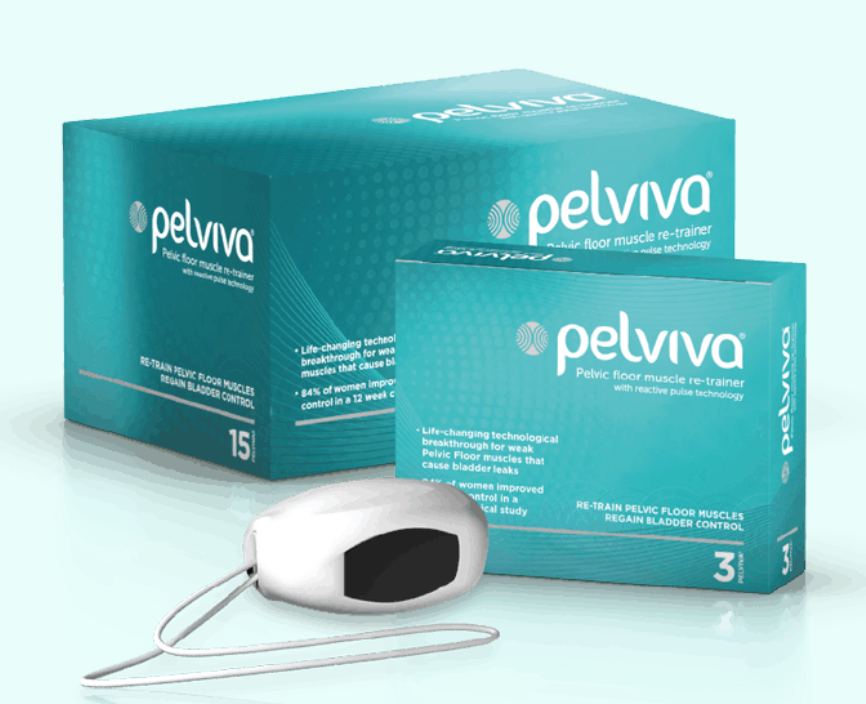
pelviva foam internal electrode

Pelviva £44.95 for starter pack of 3/£214 for 1 month pack x15

Pelviva is a unique product that does not require a handheld unit like those above. It is a disposable single use foam electrode which is activated just before use then delivers 30-min internal stimulation. video here

How to use a stimulation machine: video series

I have created a series of videos to show how a machine works, what the cables and probes look like and explain in a not-too-tech way how to use them to help problems with bladder leakage, prolapse or recovery after a baby.

These videos will help you understand your condition, as well as how the machines work. Then, you will be able to decide whether a machine would benefit you and which programmes you would choose.

You will see that these videos were created as a project for Kegel8. However, you will find most of the information applies to stimulation machines in general.

Note about VAT exemption

If you have had a problem for more than 3 months you can declare yourself as having a ‘chronic medical condition’ and do not have to pay VAT. There will be a form to complete. This does not apply to the Elvie which is registered as an exercise tracker not a medical device. Not all the online suppliers can offer this service.

Combined Stim & Biofeedback Machines

You can also buy combined units which do both functions. However, these are surprisingly expensive (and a bit fiddly) so if you feel you need both systems I usually suggest you buy two separate simpler units and switch between them.

Lubricating gel

You will need a water-based lubricating gel to help the insertion of the devices. It is also essential to help the electrical devices to operate correctly. A simple, in-expensive, chemist-own or basic brand name is theoretically all you need. However, if you have concerns about ingredients you may prefer an organic version.   Do read my posts about the difference between water-based and oil-based lubricating products.

.

Not sure what YOU need?

Get clarity first

If you are not too sure how good your muscles are then before you spend ANY money on a gadget or device I would highly recommend an hour spent with a specialist physiotherapist! Your appointment will be £70-90 outside London.

Our role at physiotherapy is to do an internal assessment of your pelvic floor muscles. We will check how well they are working and teach you how to get the best from them – you may not need any gadgets at all! And if you do we can help you make the best choice for your needs.

Savage, A.M (2019). Neuromuscular electrical stimulation devices. Journal of Pelvic, Obstetric & Gynaecological Physiotherapy, 125, 16-25

Try before you buy

We can loan you both muscle stimulation and biofeedback units to try out at home. To see how well they work for you before you consider buying your own. It is particularly important to consider an individual assessment by a specialist physiotherapist if you are at all worried that your pelvic floor muscles might be too tight rather than too weak.

We can also teach you exercises , which require no equipment at all! We usually combine pelvic floor exercises with appropriate abdominal muscle work as these two areas need to work well together for best support of our internal organs.

Please don’t hesitate to be in touch if you have further questions. Readers would love to know your experiences if you would be happy to share?

Savage, A.M (2019). Neuromuscular electrical stimulation devices. Journal of Pelvic, Obstetric & Gynaecological Physiotherapy, 125, 16-25

Savage, A.M (2018). Continence products and medication devices: issues that pelvic health physiotherapists need to consider. Journal of Pelvic, Obstetric & Gynaecological Physiotherapy, 122, 30-40

What's the difference between a pelvic floor biofeedback gadget and a muscle stimulation machine

What’s the difference between a pelvic floor biofeedback device and a stimulation machine?

Help! So many different pelvic floor gadgets – which one for me?

You have probably heard of “gadgets” to help exercise your pelvic floor muscles.   If you have been thinking about buying one you may already have looked around online.  My complete sympathy if you are feeling overwhelmed and confused!  Not only  about which one to get but also the difference between them.  They range in price enormously.  The language can be confusing.  There are so many different suppliers..… 

This post aims to help you understand:

  • the braod difference between a stimulation unit, a biofeedback device and weights/resistance devices and reminder devices/apps

I hope this overview will start to clear the confusion for you.  Once you have a fair idea which category gadget or device interests you most do read the Supported Mums Field Guides (with regularly updated product links)  to each: 

There are broadly four types of pelvic floor gadget

  • Stimulation units
  • Biofeedback devices
  • weights/resistance devices
  • Trackers/Memory Aids

# Stimulation units

send electrical impulses TO your muscles to help them to contract/exercise  (they wholly or partially do it for you)

examples:  Kegel8 Mother Nuture, Kegel8 Ultra20, Neurotrac Continence, NuTek-Levator, Neen Pericalm, Pelviva Muscle Trainer, Innovo Shorts

whereas

# Biofeedback devices

show you what you are doing with your muscles when you contract/exercise them using your own brain.  Some do this by sending an electrical impulse from you to the machine but there are others that do this using a pressure signal or another type of sensor.  

examples: Neen Educator, Kegel8 Pelvic Floor trainer, EpiNo, Simplex,  Pelvitone, Nu-Tek Levator Mini,  Elvie, Pericoach, KGoal (Pelvifly), Vibrance Trainer

Then there are gadgets for pelvic floors that are already working well:

# Gadgets that add resistance and/or weight

to your ‘ordinary’ pelvic floor exercises – to make the muscles work harder – just like you push or pull weights in the gym or pull against a resistance band or  work with a Pilates circle

examples:   Educator,, Pelvic Toner, Pel, Aquaflex Cones, Kegel Weights, Secret Whispers 

# Gadgets and apps that help you remember

to do your pelvic floor exercises, keep track of your progress, or prompt you to follow a sequence to make sure you regular perform a full range of tasks

examples:  Squeezy App, Intimina,  Tena’s PPX app

Note:  Combined Stim & Biofeedback Machines

You can also buy combined units which do both functions but these are surprisingly expensive (and a bit fiddly) so if you feel you need both systems I usually suggest you buy two separate simpler units and switch between them

Keen to learn more? Check out our Field Guides

  • which piece of kit might be useful to you depending on your circumstances
  • the detail of how they work, subtle differences and where to get them
  • when a gadget is not suitable or contraindicated

Supported Mums Field Guides: 


Not sure what YOU need?

Make the most of your local specialist physiotherapist

Most electrical devices cost over £100.  An hours appointment 1:1 with a specialist physiotherapist would  cost £70-90 (depending on area).  If you are hesitating what to buy, or even if you need a device at all,  why not first have a full assessment of your situation first?

Get clarity first

Remember that a specialist physiotherapist like myself, will do a proper examination of your pelvic floor, to give you complete clarity on what your personal pelvic floor strength, endurance and function.  Then together you can decide and plan the most appropriate and effective strategy for you to develop your muscles and skills further.

It is particularly important to consider an individual assessment by a specialist physiotherapist if you are at all worried that your pelvic floor muscles might be too tight rather than too weak.

Try before you buy

Most clinics will have a drawer full of gadgets and devices for you to see, touch  and discuss – and many, like our clinic, have units for you to borrow if you prefer to try before you buy.  

Or if you have already bought a unit or gadget and don’t feel that you are getting the most from it do book an appointment with a physiotherapist who will be able to help you to:

Or you might not need a gadget at all!

We can also teach you exercises , which require no equipment at all! We usually combine pelvic floor exercises with appropriate abdominal muscle work as these two areas need to work well together for best support of our internal organs.

Please don’t hesitate to be in touch if you have further questions. Readers would love to know your experiences if you would be happy to share?

Savage, A.M (2019). Neuromuscular electrical stimulation devices. Journal of Pelvic, Obstetric & Gynaecological Physiotherapy, 125, 16-25

Savage, A.M (2021). Handheld biofeedback devices to enhance pelvic floor muscle training. Journal of Pelvic, Obstetric & Gynaecological Physiotherapy, 128, 54-57

Savage, A.M (2018). Continence products and medication devices: issues that pelvic health physiotherapists need to consider. Journal of Pelvic, Obstetric & Gynaecological Physiotherapy, 122, 30-40

Is a pelvic floor stimulation machine right for you?

Are you thinking of trying a pelvic floor muscle stimulation machine? Perhaps you’ve got one already but it’s been gathering dust?!  Are you using yours correctly?

Are you are puzzled by the settings, the different electrodes and which programme to use? I can explain! 

I recently wrote an article on these devices, for my physiotherapy colleagues *. Can you believe I found more than 40 different products available to buy online? The manufacturers instructions can be a little hard to follow. I didn’t feel that there was enough explanation of how the machines work to help with pelvic floor problems.

* Savage A.M (2019) Neuromuscular electrical stimulation devices Journal of Pelvic, Obstetric & Gynaecological Physiotherapy, 125, 16-26

New Videos : How to use a pelvic floor stimulation machine

I have a new video series for you covering:

  • Why do we have machines to send electrical impulses to somewhere as delicate as the pelvic floor?
  • How muscle stimulation works – is it what you need?
  • Which probe is right for you
  • Step by step setting up your machine
  • How to use a pelvic floor stimulation machine for different problems eg stress incontinence, urgency, pain or prolapse or after delivery.
  • FAQs from clinic!

You will see that these videos were created as a project for Kegel8. However, you will find most of the information applies to stimulation machines in general.

These videos will help you understand your condition, as well as how the machines work. Then, you will be able to decide whether a machine would benefit you and which programmes you would choose.

How to use a Stimulation machine : video series link here

Stim or biofeedback??

Not sure if you need a stimulation machine (common brands are Kegel8, Nu-Tek, Sensatone or Pelviva) or a biofeedback machine (like Pelvitone, Elvie, Pericoach or Vibrance)?  Start with this article which explains the difference between them.

bladder leaks when running

Bladder leaks when running? 6 discreet ways to keep dry and avoid a VPL

What do you do if you worry about bladder leaks when running? Or at the gym, your exercise class, or playing with your children ?? Mums I meet in clinic tell me that they are avoiding events that require them to look “sporty”.  They worry about a VPL if they wear normal figure hugging gym kit.  They don’t want to stand out in a baggy tracksuit trying to hide a pair of substantive knickers with a pad.  Heaven forbid a party or wedding?

Tips to manage bladder leaks when running or active:

this article contains some affiliate links marked*. 

#1.  Use a pad designed for bladder leakage not menstruation

Sanitary pads and incontinence pads are not made of the same thing.  

The products designed to be used for menstruation are great for that purpose but do not to cope well with liquid.  As they are predominantly cottonwool based, if they get wet, they just go soggy and mis-shapen. If you are moving about they can get scrunched up, rub and leave your skin in contact with urine causing chafing and soreness.

The right pads for the task are worth the little bit of extra cost.   With the advent of new technology you will be amazed how slim a proper bladder leakage pad can be to hold a large amount of liquid. They also use fabrics that can wick fluid away from the surface. This keeps damp away from your skin and reduces your worries about odour.

disposable incontinence pads

Some of the main UK brands are TenaAlways, Poise  and Boots Staydry range. All will send you free samples from their websites.  

Smaller brands Natracare and Cottons aim to use environmentally friendly materials and avoid the use of parabens and bleaching processes.

 The products are usually in the same ‘feminine hygiene’ aisle (or website section of an online store) but separated into one column of shelves for products for periods and one for bladder leakage.

The most common indicator is a row of variously filled ‘drip’ or circle symbols to indicate the level of leakage you wish to contain.

Tip: In general, pads for ‘lighter’ bladder leakage look and feel like pantyliners and come in boxes to keep them flat and compact.   This makes a good starting point if you are looking for something to keep you confident and safe against a small leak. 

but if you need more than a light pad

If you suffer with more severe leakage and could potentially empty half your bladder, or would risk getting wet clothes, then look at the pads in bags which will be more absorbent or disposable pants (see #3).  

#2   Disposable Pants

No one really believes that these look like “normal” knickers. However, their big advantage is the all-around cover, front, back and sideways. For an activity involving lots of changes of direction and position (aerobics, yoga, kids tumbling) they will give the most protection against bigger leaks.

Put your biggest PE pants over the top to hide them at your waist line.

However, if you are getting this wet when you play sport your priority should be to solve the bladder problem further.  Talk to your physio about what they recommend for you.

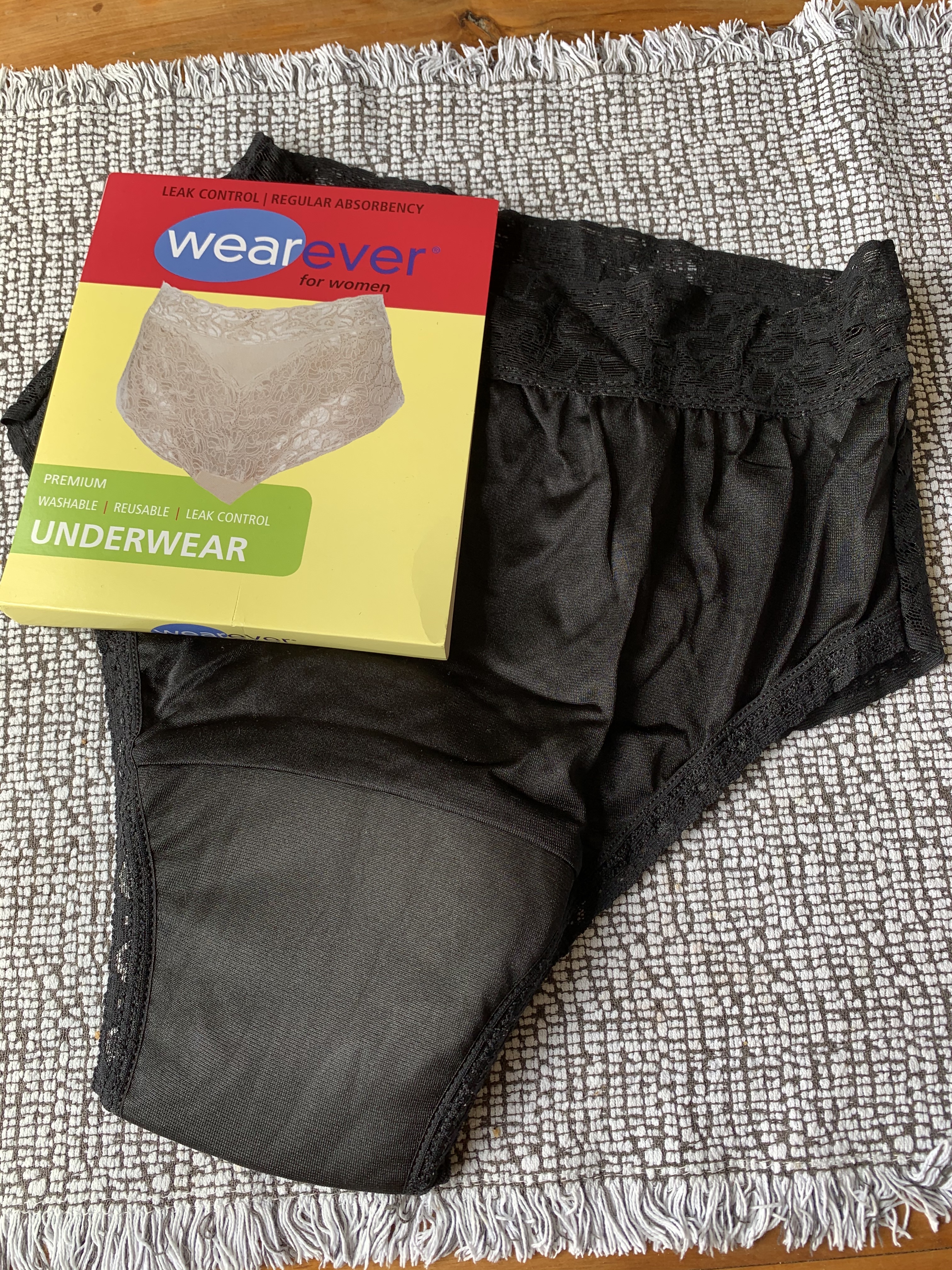
#3  Knickers with inbuilt protection

We are so lucky to be in the era of textile research and design and I am delighted to see this being applied to underwear. 

Good for the environment.  Great if you are usually fine but like to know you have back up.  Possibly more discreet if you need a thicker pad than a liner. 

Disadvantage – once they are wet you need to change the whole knicker.  However, ideal for things like the gym – if you get bladder leaks when running on the treadmill or other higher impact classes. Strip off in the changing room and no worry to dispose of a pad. 

Note: a couple of clients who have tried this option swear they will never wear pads again, certain that the pad itself  was irritating their vulva and making their incontinence worse.

#4   A subtle cover-up with skorts and skirts

It started with school uniform but now we can all wear skorts!  Perfect for just hiding a good pair of  pants with a pad and getting on with whatever you wanted to do. No one will even notice if you are wearing a pad or have a bladder leak when you’re running.

£20-£80. Offered by sports brands Decathalon, Salomon, Reebok and fashion brands too:


#5   Add extra support to your core from the outside

Maybe not so much worried about leaks?  More that your entire lower half moves about too much? Or that exercise is straining and fatiguing your pelvic floor and core muscles. Have a look at EVB Sports Shorts* if you feel just generally ‘unsupported’ at the moment. Specially designed to add effective uplift to both the pelvic floor and abdomen. Full detail in the blog post: Are EVB Sports Shorts an active Mum’s best friend?

# 6   Add extra support to your bladder from the inside

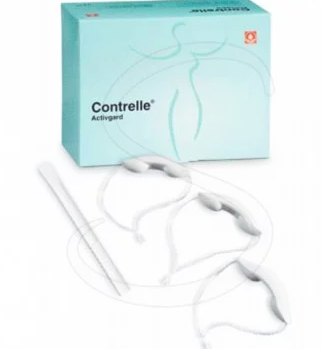
The options have recently expanded for devices that aim to give support to your bladder from inside the vagina. Can be an ideal strategy to stop bladder leaks when running.   Often called pessaries. The devices/brands you may see advertised include Contrelle, Efemia, Contiform (all available on prescription) and Uresta.  The devices increase in price, partly reflecting the number of times that they can be re-used. From single day use only, to monthly, to reuseable for a year.

These work particularly well where you or your physiotherapist feel that the bladder has dropped only a little bit (prolapse of the anterior wall/cystocele).   Yet everything else inside (particularly the uterus) is still well supported. You both feel you have created a good layer of muscles through exercise. But could you do with a bit more support when you are trying to be more active?

More detail about their similarities and differences in the post: Bladder Support Pessaires for Stress Urinary Incontinence: how do they work?

Before you go…a promise?

……that you will not use these ideas to make you complacent about a leakage problem.  Nor as an excuse to avoid the issue of your bladder for another 3 months!

  • Incontinence might be “common” (45% of women report bladder leakage at 3 months after birth, even 10% of those after Caesarean) … but it is never “normal”. 
  • Incontinence is also a sign of lack of pelvic floor support.  You may need to consider how pelvic floor friendly your sport is (ummm….trampolining….)??   Or you may need to modify activities to protect yourself from risk of pelvic organ prolapse.

DO use these stop-gap options to get comfy, happier and more active NOW.  But please, please commit to doing something about your pelvic floor muscles.  Book an appointment with you GP to get a referral to a Specialist Physiotherapist for full assessment,  support and advice.  You can be much better than you are right now. 

What are your tried and tested tips to reduce bladder leaks when running?  Please share your experiences with other mums in our comments section below.  Your story will inspire others.

#beyouroptiMUM  #pantsnotpads #NoMoreMiserableMums


woman thinking about vaginal weights

Vaginal cones: a modern girl’s guide to the ancient art of pelvic floor weights

Vaginal cones and weights; relatively cheap and a good way to progress your pelvic floor training

Vaginal cones and weights are a very different concept to electronic devices. They are cheaper and more accessible for most people.  However, there is a bit of a knack to using them correctly.  

They are particularly good for building the endurance qualities of the pelvic floor. We need this quality for holding babies, carrying shopping and going for a run.

 Electronic devices monitor whether you are squeezing correctly and give  you feedback on that action as well as ‘games’ to keep you occupied.  However, because they are technically advanced, as well as being clever they are also expensive.  Cones are a much cheaper, non-electric alternative (£25 – £30 with one type available on prescription).

Ancient arts…..

Did you know that vaginal cones are modern versions  of Chinese Ming Balls?  Once only available in sex shops and more associated with ancient “boudoir” skills than bladder control.  But good things last the test of time and vaginal cones are now even available on NHS prescription!   

Which vaginal weights are the best buy?

The main styles I recommend in clinic are: –

Aquaflext vaginal cones have stood the test of time

Neen Aquaflex Cones  Pelvic Floor Exercises System   – you put little weights inside a plastic cone and add more inside the plastic shell as you progress.

Kegel8 vaginal cones are available on prescription now

Kegel8 Vaginal Cones 3 different cones of lighter to heavier weight.

Lelo luna balls vaginal weights based on Ming Balls

Lelo Luna Beads which are more obviously modern takes on the original Ming Ball concept

www.stressnomore.com and kegel8.co.uk carry all these styles – do use my promotion code SUPPORTEDMUMS for 15% discount from either site.  

Aquaflex vs Kegel8?

I have had many clients use both the Aquaflex or Kegel8  system – they do exactly the same job – Kegel8 a bit prettier and more touchy-feely with a nice pointer to help you see how far in to put it in (and now available on prescription) .  The Aquaflex cones have a finer retrieval cord, which appears from online reviews to make some people nervous but I’ve never had anyone have any trouble. The advantage of this design is you can put your knickers back on giving you more options of where you might use them.   

Have a look at them both online and read the customer reviews – but I would say it is just a personal preference thing.

Cones and weights are a progression from the basic exercise

You do need to have a good foundation pelvic floor contraction first.  Otherwise they are just going to fall straight out the minute you stand up – most disheartening.  If this happens to you, I would recommend you get your pelvic floor technique checked by a specialist physiotherapist first.    It is not uncommon for people to think they are squeezing quite perfectly only to find, on proper vaginal examination, that there is really not much going on at all.  Don’t panic if this is you – it is all sortable but cones are not for you (yet!). 

It’s like adding hand weights to your pilates routine

Good ol’ basic pelvic floor exercises come first (see the Pelvic Floor School videos).  You then add vaginal weights to your pelvic floor exercises to progress.  Similar to adding handweights to your yoga or pilates routine.  It takes the normal unloaded task and makes it more challenging by adding a resistance to work against.  Adding “load” to a muscle encourages it to work harder and grow more.    In the gym you can hold handweights for your arm exercises or push against a piece of gym equipment for more resistance challenge for your legs.  The cones allow you to add some weight directly onto the pelvic floor. 

How to use them

Though I said earlier it is like adding hand weights to arm exercises – it’s not quite like you might think.  When you are exercising with the vaginal weights you are not trying to squeeze and contract, on and off like with traditional pelvic floor/kegel exercises. Now you are rather trying to hold the weight of the cone in place while you do another activity.   You really are holding it to stop it falling out.  

This style of holding exercise promotes the development of the slow twitch/endurance qualities of the muscle – think of channelling Mo Farah (for 2 hours on your feet at playgroup) rather than Hussein Bolt (though we need his power for The Knack when we cough or sneeze).    We need to develop this endurance muscle skill for when we are lugging shopping or carrying toddlers or trying to enjoy prolonged exercise.

First find the right weight

 If the vaginal weight is too heavy you will feel the cone slip out of position within 30 seconds.  If it is too light you might find you have completely forgotten all about it and practically gone out shopping with it.  It will have just been sitting in the vagina like a plastic tampon. 

The right weight should feel like you are not doing anything terribly exciting for a minute or so. Then you start to feel that it is slipping towards the vagina opening and needs a little push to reposition it.  This means that your muscles were holding it well, in an endurance hold, but as you started to fatigue, the muscles loosened and it started to move down the vagina tunnel with gravity.

 When inserting the cone it can help to use a tiny dab of personal lubricant on the end to help entry to the vagina. Beware anything more than a dab or you will never hold it in.  Think more cork fully in a bottle than tampon position.  The Kegel8 has a marker on the “tail” to guide placement. With the Aquaflex you should have to reach inside about a knuckles depth to feel the base of the cone.

Then choose your venue

I don’t recommend wearing them out of the house as some adverts suggest. That just seems like asking for trouble to me.  I suggest that you stay securely at home and start by putting the cone in for a relatively still activity. Then increasing the challenge by adding activity. 

A customer favorite is to use the cones when you are going to wash your hair in the shower – based on the principle that this is about every second or third day and you don’t forget to wash your hair.   I also like that you are going to be naked anyway and its a naturally clean environment.   You can keep the cone you are using hidden discreetly in the bathroom. Ideally somewhere close enough to the shower that you can reach it even if you’ve already got in and got wet before you remember the cone.

First skill – just stand still!

First goal is to just stand still and wash your hair as normal.  You will find yourself more conscious of your underneaths (!) and if it’s the right weight you will feel the need to reposition it a couple of times as soon as your muscles tire.  About the 4th time you come to wash your hair you should be noticing that it slips less easily and then very soon it doesn’t feel like a challenge at all. 

Progress to complex activities…

Now put your shampoo & toiletries on the floor while you shower. This will  make you have to bend up and down a few times mid-hair wash. 

When this is easy, progress by extending the showering session to include standing on the bath mat and over-dramatically rubbing dry.  Then add in a little jog on the spot. The ultimate tests are a bit of jumping up and down – and a pretend cough. The thought that you could shoot the cone across the bathroom if you don’t hold on will certainly activate the right muscles.    

Once you can do all these things with your first weight time to progress.  If you are using the Kegel8 cones move to the next weight up, if you are using Aquaflex, unscrew the cone to add another weight inside.  Now, with your heavier weight in place go back to standing still and just hairwashing, progressing through the stages as before.

And maintain weekly….

Once you feel you have improved your muscle strength, endurance and co-ordination vaginal cones are neat to establish a “maintenance drill”.  Pick one of your hair washes a week (say the weekend wash) to be the “cones-wash” and as long as week on week you are still as masterful at your washing, jumping and coughing routine you know the muscles are keeping strong.

Other popular activities

ironing – progress from simple tea-towels to complex men’s shirts and put the basket of laundry on the floor so you have to bend more

emptying the dishwasher – takes longer if you are multi-tasking with the cones but a nice bit of bending/stretching and few steps about the kitchen required

childcare – my sister’s mantra was never doing anything when you child is asleep that you could have done when they were awake.  Under 5’s are not going to remotely notice what you are up to.  Put some music on!  Start with some  sedate wafting about  to gentle nursery rhymes and build up to a good stomping rendition of the Grand Old Duke of York or a bit of Justin Bieber (no judgements here).

Let’s grow this list.  Have you tried vaginal cones or weights?  When (Where???!)  do you do yours?  Do share (photos optional).

showing the difference between personal lubricants

What is the difference between water-based & oil-based lubricants?

If sex is painful, personal lubricant could be life-changing.  It is useful to understand the difference between water-based lubricants and oil-based lubricants.

If you have you have never tried a personal lubricant you might not realise what you have been missing. Those inventors should get Nobel Prizes!  Forget teen movie references to ‘lube and gloves.   And pity our poor grandmothers with probably only vaseline as an option.  Personal lubricants have come an enormously long way in their formulation, effectiveness and packaging.  I hope for the sake of these unsung heroes of our intimate lives that they get a better reputation soon.

IF SEX IS PAINFUL BOTH WATER-BASED Lubricants AND OIL-BASED PERSONAL LUBRICANTS ARE WONDERFUL!

There are some reasons why you might need to use one type over another, such as if you want to use condoms (the lubricant needs to be safe with latex), or you want to use an electricity based pelvic floor gadget (which need a water-based product).  But if you are just experimenting to improve your comfort I would recommend getting some samples of both types from several manufacturers and seeing what suits you and your partner best.

Below I have explained the key differences between water-based and oil-based and there are links to the websites of some of the brands my physiotherapy clients have liked.   

WATER-BASED LUBRICANTS

  • You will probably have come across the water-based lubricants in your ‘medical’ journey.  These are used in gynaecology clinics and smear tests.
  • If you want to use one of the pelvic floor enhancing gadgets (see Gadget Girl!) then you will need to use a water-based lubricant to create a connection between the pelvic floor and the gadget.     Think of how they smeared your belly with gel to do your ultrasounds during your pregnancy. The equipment will need the same kind of contact.
  • A water-based lubricant also works well to help insert a tampon, without interfering with its absorbency.
  • You can use water-based lubricants with condoms and sex toys
  • Many people feel that water-based lubricants feel more natural, “wet”, with a realistic texture and they have no smell or taste.  They leave skin clean and residue free.
  • You can use them for instant topical relief of a dry and itchy feeling vagina and perineal area.  I have known clients keep theirs in the fridge for extra-soothingness!
  • Water-based lubricants can be effective in reducing vaginal dryness over the longer term by rehydrating the tissues (just like a facial moisturiser would do).

THINGS TO CONSIDER?

  • The most well known is the brand KY Jelly but it contains parabens and research1 has shown that the formulation of KY can irritate the sensitive vaginal tissue It can also feel sticky due to the high glycerine content.  Most chemists offer an own-brand version.  These might be well suited to a short examination procedure, or  to use with a pelvic floor exercising gadget, however for intimacy you might find that with the lower quality products can turn a bit ‘sticky’ and you should check the list of ingredients carefully avoiding glycerine, propylene glycol and parabens. 
  • They can be a bit of a devil to get from the tube to the needed body part without dripping. Related post (?!)  “applying personal lubricants without losing your momentum/dignity/sense of humour!

OIL-BASED LUBRICANTS

  • Oil-based lubricants should be formulated with natural plant-oil
  • Products made from mineral oil which is a petroleum bi-product are not suitable for vaginal use
  • Natural plant-oil based lubricants are longer lasting and can nourish dry tissue and make sex much more comfortable
  • They can be used as all-over massage oils as well as personal lubricants so their application to yours, and your partners, important bits can feel more like a natural and enjoyable part of foreplay.
  • Like the cosmetic equivalent face oils, they can protect and feed dry, intimate tissues but they cannot be re-hydrating as they do not contain water.  They can be just as soothing as water-based products and may be more comfortable if you suffer with vulvodynia or other vulval conditions

THINGS TO CONSIDER?

  • All oil based products including Vaseline, Baby Oil and Mineral Oil can affect latex and are not safe to use with condoms
  • They are not the right product to use with pelvic floor gadgets such as stimulation and biofeedback machines (these need a water-based lubricant to conduct electricity between you and the gadget).  When you are using a ‘gadget’ for exercise rather than ‘pleasure’ you may find a cheaper chemist own-brand water-based lubricant perfectly satisfactory for the purpose depending on your personal position about ingredients.
  • Water and oil-based lubricants are suitable for use with silicone toys
  • Silicone is a synthetic product which can offer longer lasting lubrication but doesn’t feel natural and cannot easily be removed with water. Silicone lubricants cannot be used with silicone sex toys but are safe to use with condoms.  They are usually well-tolerated but some people prefer to source a completely non-synthetic product, like the ones made with plant oils.
  • When trying a new lubricant it is always wise to do a patch test on the inside of your arm or wrist.

NOT ALL LUBRICANTS ARE THE SAME

As usual you get what you pay for.   The more expensive products have given attention to the quality of the ingredients and spared a thought for the packaging.  You only need a little bit each time and your intimate relationships are invaluable.  Treat yourself to something made for the purpose, in nice packaging and never run out!   

Please do let our Supported Mums readers know your preferences below and share any advice?  If you have come across a product that you think I should include in this list please let me know your recommendations?

YES®  www.yesyesyes.org

SYLK   www.sylk.co.uk

Boots own brand lubricating jelly    www.boots.com   

References:

11D. Edwards & N. Panay (2015): Treating vulvovaginal atrophy/genitourinary syndrome of menopause: how important is vaginal lubricant and moisturizer composition? Climacteric, DOI: 10.3109/13697137.2015.1124259

2World Health Organization. Use and procurement of additional lubricants for male and female condoms: WHO/UNFPA/FHI360 advisory note 2012 [7 July 2015]. Available from: http://apps.who.int/iris/bitstream/10665/76580/1/WHO_RHR_12.33_eng.pdf

pelvic floor apps

3 Great Pelvic Floor Exercise Apps

If you have a smart phone you may enjoy one of the new pelvic floor exercise apps.  These are great innovations.  This week I have  tried out a couple of  reminder apps (Squeezy & my pff), a tracking app (Elvie) and an exercise workout to watch on your phone (Pelvic Floor First)

Road-testing has had entertaining moments with  my phone  beeping and buzzing.    I have done a LOT of pelvic floor exercises this week.  Perk of the job.

TIP (obvious, to everyone else I’m sure, but I did it by accident):  When you are looking at them the first time and organising your settings you might find it easier to view the app on your iPad/tablet so all the buttons and instructions are bigger.

Sadly there is no app that actually does the exercises for you.    Though they all have similar sounding descriptions on the app stores,  I would categorise them into ‘reminder’ apps, ‘ exercise tracking’ apps (with wearable device) and ‘portable exercise workouts’ to follow on your smart device.

REMINDER APPS

Pelvic floor exercise apps - Squeezy NHS

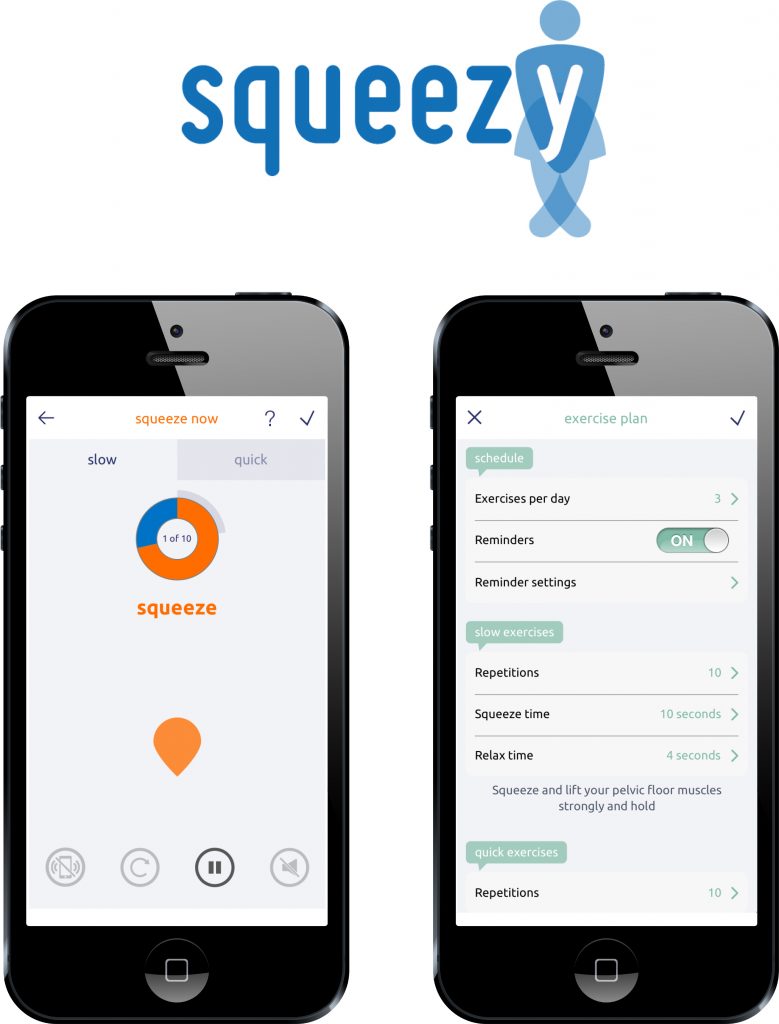
Squeezy NHS app gives regular reminders and lovely visual prompts to follow

  Squeezy – the NHS Physiotherapy App for Pelvic Floor Muscle Exercises, Propagator Ltd £2.99.  Also offers the Apple Watch App for iphone. 

This has been designed by one of my specialist physiotherapy colleagues, Myra Robson, using all her NHS experience and hundreds of clients feedback to develop an informative, easy to use, clear and visually pleasing app.  You can change settings easily yourself to chose how many times a day you want to be reminded to do your exercises.  It sends you a (silent!) text message to remind you to do your exercises.   Then you tap on the screen to start a balloon/type bubble moving – you can’t but help start squeezing in response!  Its a great visual prompt (with optional ‘boing’ noises).  There are drills to practice fast contractions or slower ‘holding’ contractions.  You can change the settings to make the exercises a comfortable speed for your ability.  You can record your sessions, as well as how much you have been drinking.   

If you are working with a physiotherapist they can help you set up your programme to fit with their training and check up on your efforts!  

pelvic floor exercise apps - My pff

My pff by tena

My pff – an app sponsored by Lights by TENA.  Free.

This free app is a similar exercise concept, with a screen changing colour up and down to show you how long to hold and relax for, but lacks the helpful information and bespoke settings options of Squeezy.     It was very simple to chose your level (in the settings bar at the base) and then get started.   I liked the very simple interface of this app but similar to the reviewers I had problems with it crashing when trying to set the reminders.  Once I had set them (2 or 3 crashes but it restarted easily each time) it worked fine.  I like that there was a simple button to turn the reminder off (if you finally get a daytime nap you would be hideously cross if it’s an app that wakes you up)

HACK  Use your phone clock function!   Free.

Set your phone’s ordinary timer to alert you every 4 hours through the day to do your exercises

Exercise tracker device with smart phone app

Pelvic floor exercise apps - Elvie

The Elvie is a discreet vaginal device which tracks your pelvic floor exercises on your smartphone

Elvie  feedback/tracker device with free app   £169     www.elvie.com  

Tracking apps  communicate with a wearable device.  You may already have a FitBit worn on your wrist to communicate with your phone?  The Elvie is, as they say, ‘the most intimate’ tracker – a small, pebble shaped unit which you put inside the vagina.  Then it communicates via blue tooth to a phone app.  When you practice your pelvic floor contractions a patented force and motion sensor system detects the strength of the muscle activity and shows up on your phone screen, giving you real time information about how well you are contracting.  There are clever ‘games’ to play by contracting your muscles – think pacman controlled by your pelvic floor? It records your exercise sessions – great for motivation.

Important note – designed for discreet home exercise, unlike a FitBit, not for going out & about!

WORK OUT APPS WITH PELVIC FLOOR FRIENDLY EXERCISES

pelvic floor first app has good workouts

The Pelvic Floor First app has great pelvic floor friendly workouts

Pelvic Floor First – by the Continence Foundation of Australia . Free.

This app is not a ‘reminder-type app’, rather a portable workout regime to copy.  If you like your pelvic floor exercises disguised amongst your other body part exercises then this app may be just right for you.  The app is based on the Continence Foundation of Australia’s Pelvic Floor First website with the workouts designed by a physiotherapist and fitness professional to be ‘pelvic floor safe’.

There are 3 levels of workouts, using light hand weights and a gymball as props.  The exercises are very clearly presented as just stills, audio or audio & video together.  It has a nice feature to count down a daily workout but you do have to keep starting each new exercise by pressing the arrow on the screen.

 Have you tried a pelvic floor exercise app?  Did you like it?  Please share your recommendations in the comments below and let me know which one I should road-test next?!